Language:en 
- zh-cn
- en
- ja
- fr
- ko
- de
- pt-pt
- es
BEYOND CIRCUIT


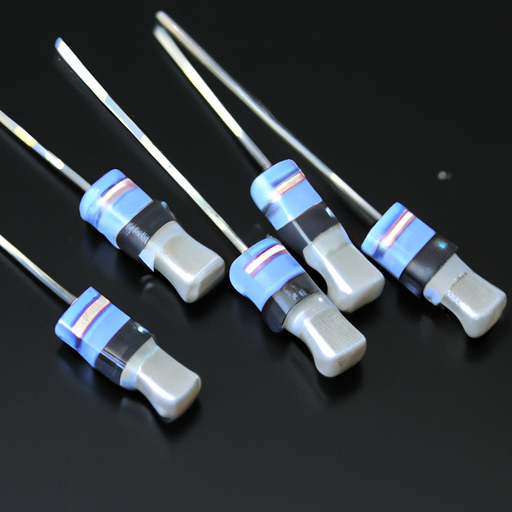
Resistors are fundamental components in electronic circuits, serving the crucial role of limiting current flow and dividing voltages. They are essential for controlling the behavior of electronic devices, from simple circuits to complex systems. Understanding the pricing of resistors is vital for engineers, hobbyists, and anyone involved in electronics, as it can significantly impact project budgets and overall design choices. This article aims to provide a comprehensive overview of popular resistor types, the factors influencing their prices, and where to find them, ultimately helping readers make informed purchasing decisions.
Resistors come in various types, each designed for specific applications and performance requirements.
1. **Carbon Film Resistors**: These are made from a carbon film deposited on a ceramic substrate. They are widely used due to their low cost and decent performance. Carbon film resistors typically have a tolerance of around 5% to 10%.
2. **Metal Film Resistors**: Known for their precision and stability, metal film resistors are made by depositing a thin layer of metal onto a ceramic substrate. They offer lower noise and better temperature stability than carbon film resistors, making them ideal for high-precision applications.
3. **Wirewound Resistors**: These resistors are constructed by winding a metal wire around a ceramic or fiberglass core. They can handle high power ratings and are often used in applications requiring high precision and stability, such as in power supplies.
1. **Potentiometers**: These are adjustable resistors that allow users to change resistance values manually. They are commonly used in volume controls and other applications where variable resistance is needed.
2. **Rheostats**: Similar to potentiometers, rheostats are used to control current. However, they are typically used in higher power applications and can handle larger currents.
1. **Thermistors**: These temperature-sensitive resistors change resistance with temperature variations. They are widely used in temperature sensing and control applications.
2. **Photoresistors**: Also known as light-dependent resistors (LDRs), these resistors change resistance based on light exposure. They are commonly used in light-sensing applications, such as automatic lighting systems.
Several factors contribute to the pricing of resistors, making it essential to understand these elements when budgeting for electronic projects.
The materials used in resistor construction significantly impact their cost. Carbon film resistors are generally cheaper than metal film or wirewound resistors due to the lower cost of materials and manufacturing processes.
Resistors come with different tolerance levels, which indicate how much the actual resistance can vary from the stated value. Higher precision resistors, such as metal film types with a tolerance of 1% or less, tend to be more expensive than standard carbon film resistors with a tolerance of 5% to 10%.
The power rating of a resistor, measured in watts, indicates how much power it can dissipate without failing. Resistors with higher power ratings, such as wirewound resistors, are typically more expensive due to the materials and construction techniques required to handle the increased power.
Brand reputation plays a significant role in pricing. Well-known manufacturers often charge a premium for their products due to perceived quality and reliability. In contrast, lesser-known brands may offer lower prices but could compromise on quality.
Market dynamics, including demand and supply fluctuations, can also affect resistor prices. For instance, during peak production seasons or when new technologies emerge, prices may rise due to increased demand.
Several resistor models are commonly used in various applications, each with its unique characteristics and price points.
1. **Carbon Film Resistors**: Typically range from $0.01 to $0.10 per unit, depending on the tolerance and power rating.
2. **Metal Film Resistors**: Generally priced between $0.10 and $0.50 per unit, with higher precision models costing more.
3. **Wirewound Resistors**: Prices can range from $0.50 to $5.00 or more, depending on the power rating and precision.
4. **Potentiometers**: These variable resistors usually cost between $0.50 and $3.00, depending on their specifications.
5. **Thermistors**: Prices for thermistors can vary widely, typically ranging from $0.50 to $10.00, depending on their sensitivity and application.
When purchasing resistors, it's essential to compare prices across various suppliers. Online retailers like Amazon, Digi-Key, and Mouser often offer competitive pricing, while local electronics stores may have higher prices due to overhead costs. Additionally, bulk purchasing options can provide significant savings for businesses and hobbyists.
Online platforms such as Amazon, Digi-Key, and Mouser are popular choices for purchasing resistors. They offer a wide selection, competitive prices, and the convenience of home delivery.
Purchasing from local electronics stores has its advantages, including immediate availability and the ability to consult with knowledgeable staff. This can be particularly beneficial for beginners who may need guidance on selecting the right components.
For businesses and serious hobbyists, wholesale suppliers can provide significant cost savings through bulk purchasing. These suppliers often offer discounts for larger orders, making them an attractive option for those looking to stock up on components.
Before purchasing resistors, it's crucial to assess the specific requirements of your circuit. Understanding voltage, current, and resistance needs will help you select the appropriate resistor type and value.
While it may be tempting to choose the cheapest option, balancing quality with cost is essential. Higher-quality resistors may offer better performance and reliability, ultimately saving you money in the long run.
When selecting resistors, consider your future project needs. Opting for slightly higher-rated components can provide flexibility for scalability in your designs.
Understanding the pricing of resistors is essential for anyone involved in electronics, from hobbyists to professionals. By familiarizing yourself with the different types of resistors, the factors influencing their prices, and where to purchase them, you can make informed decisions that align with your project requirements and budget. As you embark on your electronic endeavors, remember to research and compare prices to ensure you get the best value for your components. Resistors play a vital role in the functionality of electronic devices, and being knowledgeable about their pricing can have significant economic implications for your projects.
- Electronic Component Suppliers: Digi-Key, Mouser, and Amazon
- Resistor Types and Applications: Electronics Tutorials and Educational Websites
- Market Analysis Reports on Electronic Components Pricing
By understanding the intricacies of resistor pricing and selection, you can enhance your electronic projects and ensure their success. Happy building!