Language:en 
- zh-cn
- en
- ja
- fr
- ko
- de
- pt-pt
- es
BEYOND CIRCUIT


In the world of electronics, resistors play a crucial role in controlling current flow and ensuring circuit functionality. Among the various types of resistors, metal film resistors are highly regarded for their precision and reliability. This blog post aims to provide a comprehensive overview of metal film resistors, their characteristics, and recommendations for similar components. By understanding the nuances of these resistors, you can make informed decisions when selecting components for your projects.
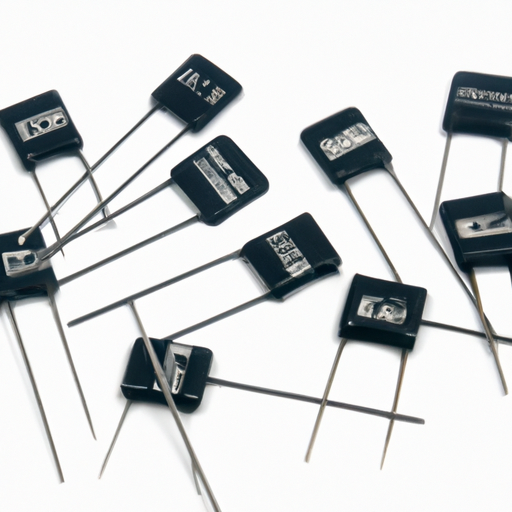
Metal film resistors are constructed using a thin film of metal deposited onto a ceramic substrate. The materials commonly used include nickel-chromium or tantalum, which are known for their stability and low temperature coefficients. The manufacturing process involves sputtering or evaporation techniques to create a uniform film, followed by laser trimming to achieve the desired resistance value.
Metal film resistors are celebrated for their precision and tolerance, often achieving values as low as 0.1%. This level of accuracy is essential in applications where small variations can lead to significant performance issues. Additionally, these resistors exhibit excellent temperature stability, maintaining their resistance values across a wide temperature range. Their low noise characteristics make them ideal for audio applications, while their high reliability ensures long-term performance in critical circuits.
Metal film resistors find their place in various applications, including:
1. **Audio Equipment**: Their low noise and high precision make them suitable for high-fidelity audio circuits.
2. **Precision Measurement Devices**: Instruments that require accurate readings, such as multimeters and oscilloscopes, benefit from the stability of metal film resistors.
3. **Industrial Electronics**: In environments where reliability is paramount, metal film resistors are often the component of choice.
When selecting metal film resistors, several key specifications should be taken into account:
The resistance value, measured in ohms, is the primary specification. Tolerance indicates how much the actual resistance can deviate from the stated value, with lower percentages indicating higher precision.
The power rating, expressed in watts, indicates the maximum power the resistor can dissipate without overheating. It’s essential to choose a resistor with a power rating that exceeds the expected load in your application.
The temperature coefficient, measured in parts per million per degree Celsius (ppm/°C), indicates how much the resistance value changes with temperature. A lower temperature coefficient is preferable for applications requiring high stability.
The voltage rating specifies the maximum voltage that can be applied across the resistor without risk of failure. Ensure that the voltage rating is suitable for your circuit to prevent breakdown.
Resistors come in various package types and sizes, including through-hole and surface mount options. The choice depends on your circuit design and available space.
Several manufacturers are known for producing high-quality metal film resistors. Here are a few notable brands:
1. **Vishay**: Known for their extensive range of resistors, Vishay offers models with excellent precision and reliability.
2. **Yageo**: Yageo provides a variety of metal film resistors suitable for different applications, emphasizing quality and performance.
3. **Panasonic**: Panasonic’s resistors are recognized for their durability and stability, making them a popular choice in industrial applications.
4. **Bourns**: Bourns specializes in precision resistors, ideal for applications requiring high accuracy.
When comparing specifications, consider the following:
1. **Tolerance Levels**: Vishay and Yageo offer resistors with tolerances as low as 0.1%, while Panasonic typically provides options around 1%.
2. **Power Ratings**: Most brands offer a range of power ratings, from 0.1W to several watts, allowing for flexibility in design.
3. **Temperature Coefficients**: Vishay’s resistors often feature temperature coefficients as low as 5 ppm/°C, making them suitable for precision applications.
1. **For Audio Applications**: Consider Vishay’s metal film resistors for their low noise characteristics, which enhance audio fidelity.
2. **For Precision Measurement**: Yageo’s high-precision resistors are ideal for multimeters and other measurement devices.
3. **For General-Purpose Use**: Panasonic’s versatile resistors can be used in a wide range of applications, providing reliability and performance.
While metal film resistors are excellent for many applications, there are alternatives worth considering:
Carbon film resistors are made from a carbon film deposited on a substrate. They are generally less expensive than metal film resistors but offer lower precision and higher noise levels. They are suitable for general-purpose applications where high accuracy is not critical.
Wirewound resistors consist of a wire wound around a ceramic or fiberglass core. They can handle higher power ratings and are often used in applications requiring high precision. However, they may introduce inductance, making them less suitable for high-frequency applications.
Thin film resistors are similar to metal film resistors but are manufactured using different techniques. They offer high precision and stability, making them suitable for applications requiring tight tolerances. However, they can be more expensive than metal film resistors.
When selecting a resistor, several factors come into play:
Budget constraints can influence your choice of resistor. While metal film resistors offer superior performance, alternatives like carbon film resistors may be more cost-effective for less critical applications.
Ensure that the resistors you choose are readily available from reliable suppliers. Lead times and stock levels can impact project timelines.
Consider environmental factors such as temperature, humidity, and exposure to chemicals. Additionally, ensure that the resistors comply with relevant industry standards and regulations.
Evaluate the long-term reliability of the resistors, especially for critical applications. Metal film resistors are known for their durability, but it’s essential to assess the specific requirements of your project.
Selecting the right resistor is crucial for the performance and reliability of electronic circuits. Metal film resistors stand out for their precision, stability, and low noise characteristics, making them ideal for a wide range of applications. However, understanding the specifications and considering alternatives can help you make informed decisions tailored to your specific needs.
In summary, whether you opt for metal film resistors or explore alternatives, always consider the application requirements, budget, and long-term performance. By doing so, you can ensure that your electronic designs meet the highest standards of quality and reliability.
1. Vishay Resistor Datasheets
2. Yageo Resistor Technical Resources
3. Panasonic Resistor Specifications
4. Bourns Resistor Product Information
5. Industry Standards for Resistor Selection
This blog post serves as a guide to understanding metal film resistors and their alternatives, providing valuable insights for engineers, hobbyists, and anyone involved in electronics design.