Language:en 
- zh-cn
- en
- ja
- fr
- ko
- de
- pt-pt
- es
BEYOND CIRCUIT


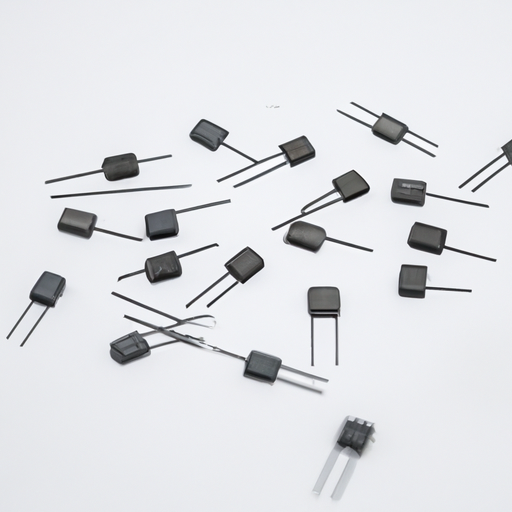
In the realm of electrical and electronic applications, varistors play a crucial role in safeguarding devices from voltage surges and spikes. A varistor, or voltage-dependent resistor, is a component that exhibits a nonlinear resistance characteristic, allowing it to absorb excess voltage and protect sensitive electronic components. This blog post will delve into the various industries where varistors are applied, highlighting their importance, benefits, and the challenges they face.
Varistors operate based on their voltage-dependent resistance characteristics. When the voltage across a varistor exceeds a certain threshold, its resistance decreases dramatically, allowing it to conduct excess current and thereby clamping the voltage to a safer level. This property makes varistors essential for protecting electronic circuits from transient voltage spikes.
There are several types of varistors, with the most common being Metal-Oxide Varistors (MOVs) and Silicon Carbide Varistors (SiC). MOVs are widely used due to their effectiveness in clamping high-voltage transients, while SiC varistors are known for their high-temperature stability and reliability.
Varistors offer several key features and benefits, including:
1. **Surge Protection**: They protect sensitive electronic components from voltage spikes caused by lightning strikes, power surges, or switching operations.
2. **Voltage Clamping**: Varistors can clamp voltage to a predetermined level, ensuring that downstream components are not exposed to harmful voltage levels.
3. **Reliability and Longevity**: Varistors are designed to withstand repeated surges, making them a reliable choice for long-term applications.
In the consumer electronics sector, varistors are commonly used in power supplies, home appliances, and communication devices. They protect devices such as televisions, computers, and kitchen appliances from voltage spikes that can occur during power fluctuations. By incorporating varistors, manufacturers can enhance the reliability and longevity of their products, ensuring a better user experience.
The automotive industry has increasingly adopted varistors to protect against voltage spikes that can occur in vehicles. With the rise of electric vehicles (EVs), varistors are essential for safeguarding battery management systems and electric drivetrains. Additionally, they play a critical role in ensuring the safety of automotive electronics, such as infotainment systems and advanced driver-assistance systems (ADAS).
In telecommunications, varistors are vital for surge protection in network equipment, including routers, switches, and base stations. They help maintain signal integrity by preventing voltage spikes from disrupting data transmission. Furthermore, varistors are used in data centers to protect servers and storage systems from power surges, ensuring uninterrupted service and data integrity.
Varistors are extensively used in industrial automation to protect control systems, motor drives, and inverters. They help prevent damage to sensitive components in robotics and machinery, ensuring smooth operation and reducing downtime. By incorporating varistors, manufacturers can enhance the reliability of their automation systems, leading to increased productivity and efficiency.
The renewable energy sector has seen a growing application of varistors, particularly in solar inverters and wind turbine protection systems. Varistors help safeguard these systems from voltage transients caused by lightning strikes or grid fluctuations. Additionally, they play a role in energy storage systems, ensuring that batteries and other components are protected from overvoltage conditions.
In power distribution, varistors are used in substations and transmission lines to protect against voltage surges. They play a crucial role in smart grids, where they help maintain the stability and reliability of the electrical grid. By incorporating varistors, utility companies can enhance the resilience of their infrastructure, reducing the risk of outages and equipment damage.
In the medical field, varistors are essential for ensuring the safety and reliability of medical devices. They provide surge protection for diagnostic equipment, patient monitoring systems, and other critical devices. Given the sensitive nature of medical applications, the reliability of varistors is paramount, as they help prevent equipment failure that could jeopardize patient safety.
Despite their many benefits, varistors do have limitations. One significant challenge is their temperature sensitivity; varistors can exhibit changes in performance at elevated temperatures, which may affect their reliability. Additionally, varistors can experience aging and degradation over time, leading to reduced effectiveness in surge protection.
When selecting varistors for specific applications, several criteria must be considered:
1. **Voltage Rating**: The voltage rating of the varistor should match the application's requirements to ensure effective protection.
2. **Energy Absorption Capacity**: The varistor's energy absorption capacity should be sufficient to handle expected surge levels.
3. **Application-Specific Requirements**: Different applications may have unique requirements, such as size constraints or environmental conditions, which must be taken into account.
The future of varistor technology looks promising, with ongoing advancements in materials and manufacturing processes. Researchers are exploring new materials that can enhance the performance and reliability of varistors, such as advanced ceramics and nanomaterials. Additionally, miniaturization and integration of varistors into compact electronic designs are becoming increasingly important as devices continue to shrink in size.
As technology evolves, new applications for varistors are emerging. The Internet of Things (IoT) is one area where varistors will play a critical role, as the proliferation of connected devices increases the need for surge protection. Similarly, the rise of electric and autonomous vehicles will drive demand for varistors to protect complex electronic systems. Smart home technologies will also benefit from varistor integration, ensuring the safety and reliability of connected devices.
Varistors are indispensable components across various industries, providing essential surge protection and enhancing the reliability of electronic devices. From consumer electronics to renewable energy and medical devices, their applications are vast and varied. As technology continues to advance, the importance of varistors will only grow, paving the way for innovations that enhance their performance and expand their applications. Understanding the role of varistors in modern technology is crucial for manufacturers and engineers alike, as they strive to create safer, more reliable electronic systems for the future.
1. Academic Journals
2. Industry Reports
3. Manufacturer Specifications and Guidelines
In conclusion, varistors are a critical component in the modern technological landscape, and their applications span a wide range of industries. As we look to the future, the continued development and integration of varistors will play a vital role in ensuring the safety and reliability of electronic devices in an increasingly connected world.