Language:en 
- zh-cn
- en
- ja
- fr
- ko
- de
- pt-pt
- es
BEYOND CIRCUIT


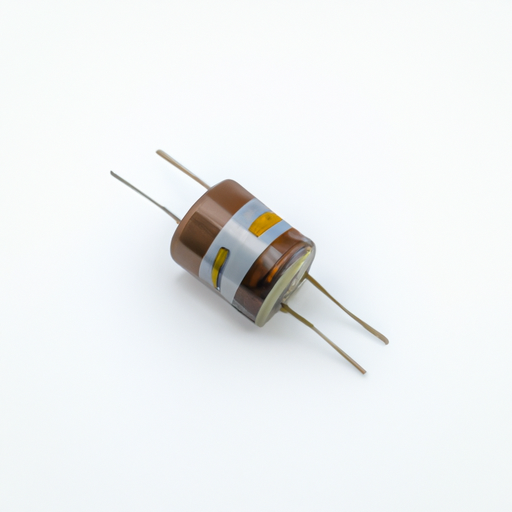
Air conditioning systems are essential for maintaining comfortable indoor environments, especially in regions with extreme temperatures. At the heart of these systems are various components that work together to ensure efficient operation, and one of the most critical components is the capacitor. This article will delve into the product characteristics of air conditioning capacitors, exploring their functions, types, specifications, and importance in HVAC systems.
Capacitors play a vital role in air conditioning systems by storing and releasing electrical energy. They help start the compressor and fan motors, ensuring that the system operates smoothly. By providing the necessary boost of energy, capacitors enable these motors to overcome inertia and start running efficiently. Additionally, run capacitors maintain the energy supply during operation, ensuring that the motors run at optimal performance levels.
There are three primary types of capacitors used in air conditioning systems:
1. **Start Capacitors**: These capacitors provide a high starting torque to the compressor and fan motors. They are designed to discharge quickly, giving the motor the initial boost it needs to start.
2. **Run Capacitors**: Unlike start capacitors, run capacitors remain in the circuit during the entire operation of the motor. They help improve the efficiency of the motor by providing a continuous supply of energy.
3. **Dual Run Capacitors**: These capacitors combine the functions of both start and run capacitors in a single unit. They are commonly used in systems where space is limited, providing a compact solution for both starting and running needs.
Understanding the key product characteristics of air conditioning capacitors is essential for selecting the right component for your HVAC system. Here are the main characteristics to consider:
1. **Capacitance Value (Microfarads)**: The capacitance value indicates the amount of electrical charge a capacitor can store. It is measured in microfarads (µF) and is crucial for ensuring that the capacitor can provide the necessary energy for the motor's operation.
2. **Voltage Rating**: The voltage rating indicates the maximum voltage the capacitor can handle without failing. It is essential to choose a capacitor with a voltage rating that exceeds the operating voltage of the air conditioning system to prevent damage.
3. **Tolerance Levels**: Tolerance levels indicate the acceptable range of capacitance values. A capacitor with a lower tolerance level will provide more consistent performance, which is critical for the efficient operation of HVAC systems.
1. **Size and Shape**: Capacitors come in various sizes and shapes, which can affect their installation in air conditioning systems. It is essential to choose a capacitor that fits the designated space in the unit.
2. **Mounting Options**: Different capacitors have various mounting options, including bracket mounts, screw mounts, and snap-in designs. The mounting method should be compatible with the air conditioning system's design.
3. **Terminal Types**: The type of terminals on a capacitor can vary, including spade, screw, or wire leads. The terminal type must match the connections in the HVAC system for proper installation.
1. **Dielectric Materials**: The dielectric material used in a capacitor affects its performance and reliability. Common dielectric materials include polyester, polypropylene, and ceramic. Each material has its advantages and disadvantages in terms of temperature tolerance, lifespan, and cost.
2. **Enclosure Materials**: The enclosure of a capacitor protects it from environmental factors such as moisture and dust. Common materials include metal and plastic, with metal enclosures typically offering better durability.
1. **Temperature Ratings**: Capacitors are rated for specific temperature ranges. It is crucial to select a capacitor that can operate effectively within the temperature conditions of the environment where the air conditioning system is installed.
2. **Lifespan and Reliability**: The lifespan of a capacitor is influenced by its construction quality and operating conditions. High-quality capacitors are designed to last longer and provide reliable performance, reducing the need for frequent replacements.
3. **Efficiency Ratings**: Efficiency ratings indicate how well a capacitor performs in terms of energy consumption and output. Higher efficiency ratings can lead to lower energy costs and improved overall system performance.
When selecting air conditioning capacitors, it is essential to consider industry standards and certifications. Two of the most recognized organizations are:
1. **UL (Underwriters Laboratories)**: UL certification ensures that the capacitor meets specific safety and performance standards, providing peace of mind to consumers and manufacturers.
2. **IEC (International Electrotechnical Commission)**: IEC standards focus on the international safety and performance of electrical components, including capacitors. Compliance with IEC standards indicates a high level of quality and reliability.
Choosing capacitors that meet quality assurance standards is crucial for the longevity and efficiency of air conditioning systems. High-quality capacitors reduce the risk of failure, which can lead to costly repairs and increased energy consumption.
Air conditioning capacitors are used in various applications, including:
In residential settings, capacitors are essential for ensuring that air conditioning units operate efficiently and reliably. They help maintain comfortable indoor temperatures, especially during hot summer months.
Commercial HVAC systems often require larger and more robust capacitors to handle the increased demand for cooling and heating. Capacitors in these systems must be reliable to ensure uninterrupted service in commercial buildings.
In industrial settings, capacitors are used in large-scale air conditioning and refrigeration systems. These capacitors must be designed to withstand harsh operating conditions and provide consistent performance over extended periods.
Recognizing the signs of capacitor failure is crucial for maintaining air conditioning systems. Common symptoms include:
- Humming or buzzing noises from the unit
- Inconsistent cooling or heating performance
- Frequent tripping of circuit breakers
- Visible damage or swelling on the capacitor
To extend the lifespan of air conditioning capacitors, consider the following maintenance tips:
- Regularly inspect capacitors for signs of wear or damage.
- Ensure that the capacitor is installed in a clean, dry environment to prevent moisture damage.
- Replace capacitors that show signs of failure promptly to avoid further damage to the HVAC system.
When replacing capacitors, it is essential to select components that match the specifications of the original unit. Consider factors such as capacitance value, voltage rating, and physical dimensions to ensure compatibility.
Understanding the product characteristics of air conditioning capacitors is vital for anyone involved in the maintenance or installation of HVAC systems. By recognizing the importance of these components, their specifications, and their applications, you can make informed decisions that enhance the efficiency and reliability of air conditioning systems. Selecting the right capacitor not only ensures optimal performance but also contributes to the longevity of the entire HVAC system.
For further reading and research on air conditioning capacitors, consider the following sources:
1. "HVAC Fundamentals" by Robert McCulloch
2. "Air Conditioning and Refrigeration Engineering" by Frank Kreith
3. Underwriters Laboratories (UL) official website
4. International Electrotechnical Commission (IEC) official website
By understanding the intricacies of air conditioning capacitors, you can ensure that your HVAC systems operate at their best, providing comfort and efficiency for years to come.